Dry Snow Powder Buyer Guide for Christmas Displays

In early October, Elena, a visual merchandising manager in Prague, had four days to turn 48 plain shop windows into winter scenes. The trees were ready, the lights were ready, and the props were on-site. The only thing missing was the snow effect. Her team first ordered a generic white decoration powder from a local source, but it scattered too easily, covered unevenly, and looked flat under the store lighting. The problem was not the idea of artificial snow. It was choosing the wrong dry snow powder for the job.
That is exactly where many buyers lose time. Dry snow powder sounds simple, but the right option depends on how the snow effect will be used, how much movement the scene gets, whether the project needs eco-friendly positioning, and whether the snow material is being used by hand or as part of a larger production workflow.
In this guide, we will explain what dry snow powder is, where it works best, how to choose between standard, heavy, and degradable options, and when you should use snow flock instead. If you want to start by reviewing a ready-to-sell product option, RUNYI’s 30g small package dry snow powder page is a good first reference.
What Dry Snow Powder Is and Where It Works Best
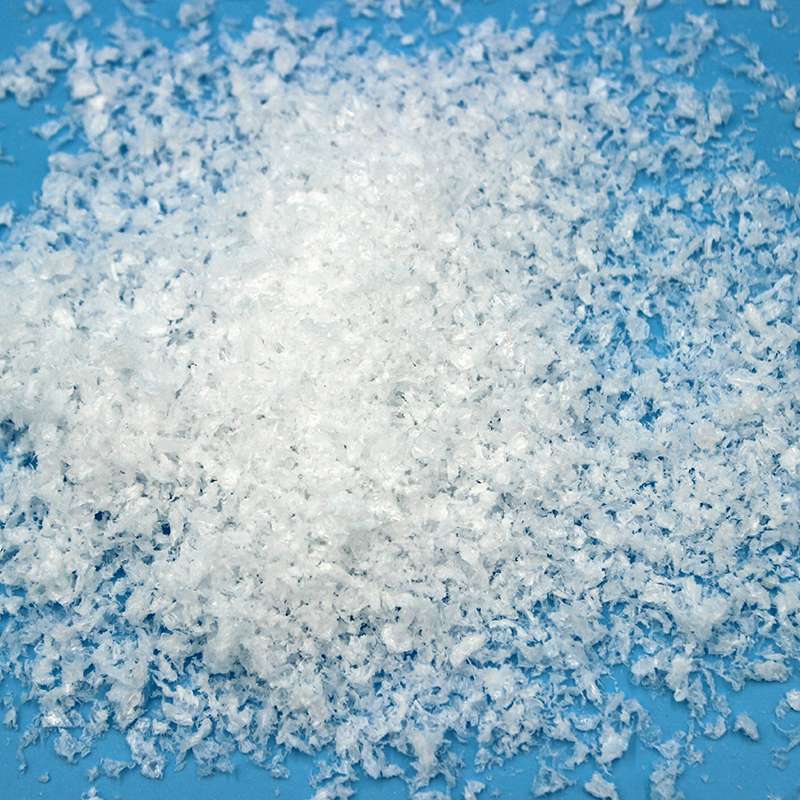
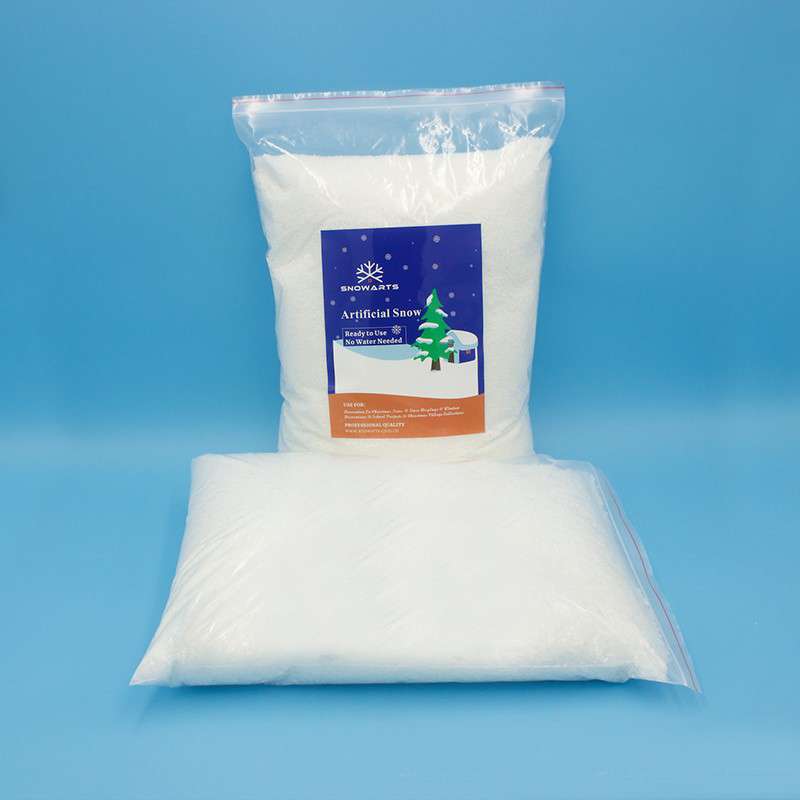
Dry snow powder is a decorative material used to create a visual snow effect on branches, wreaths, window scenes, props, and seasonal displays. In practical use, buyers choose dry snow powder when they want a clean white finish that looks like settled snow without building a full sprayed or machine-flocked process.
This matters because there are several different “snow” materials in the Christmas decoration industry, and they do not all serve the same purpose. Standard dry snow powder is usually chosen for Christmas window displays, holiday crafts and DIY decoration kits, tabletop winter scenes, wreaths and branch decoration, retail display styling, and stage and photography props.
Why Small-Pack Dry Snow Powder Works Well for Retail and DIY Projects
Small-pack dry snow powder is usually the easiest entry point for buyers who need convenience. RUNYI’s 30g package is presented for holiday decoration, handmade DIY, party decoration, and window display use. That format makes sense for distributors, retailers, and decoration teams that want easy allocation by store or project, quick trial orders before moving to larger packaging, simple repacking or resale, and controlled use in smaller decorative scenes.
When a buyer needs a material that staff can open, sprinkle, and adjust without special equipment, dry snow powder in smaller packs is often the most practical choice. It keeps usage simple and makes planning easier across multi-store holiday programs.
What Buyers Actually Care About
Buyers are not only looking for “white powder.” They usually care about five things at once: how realistic the snow looks under lighting, how evenly it spreads on branches or props, how well it stays in place, whether the packaging fits the order model, and whether the supplier can support repeat orders.
That last point matters more than many first-time buyers expect. A sample that looks good in one photo is not enough. If a project rolls out across 30 stores, 300 gift sets, or multiple stage sets, the same snow effect has to be repeatable.
How to Choose Dry Snow Powder for Different Projects
The easiest way to choose dry snow powder is to start with the scene, not the material name. Ask what the snow needs to do, not only what it needs to look like.
1. Small Displays, DIY Kits, and Window Scenes
If the project involves shop windows, tabletop decorations, wreaths, or small-scale Christmas styling, standard dry snow powder in retail-friendly packaging is usually the best fit. It is easy to distribute, easy to test, and easy to use by hand.
This is the situation Elena in Prague eventually faced. Her team did not need industrial production. They needed a material that store staff could apply quickly across multiple windows with consistent visual effect. Once they switched to smaller, easier-to-handle snow packs, the display team could divide the material by location, correct coverage faster, and keep the finish consistent across the entire campaign.
2. Large Sets, Scenic Decoration, and Higher-Traffic Areas
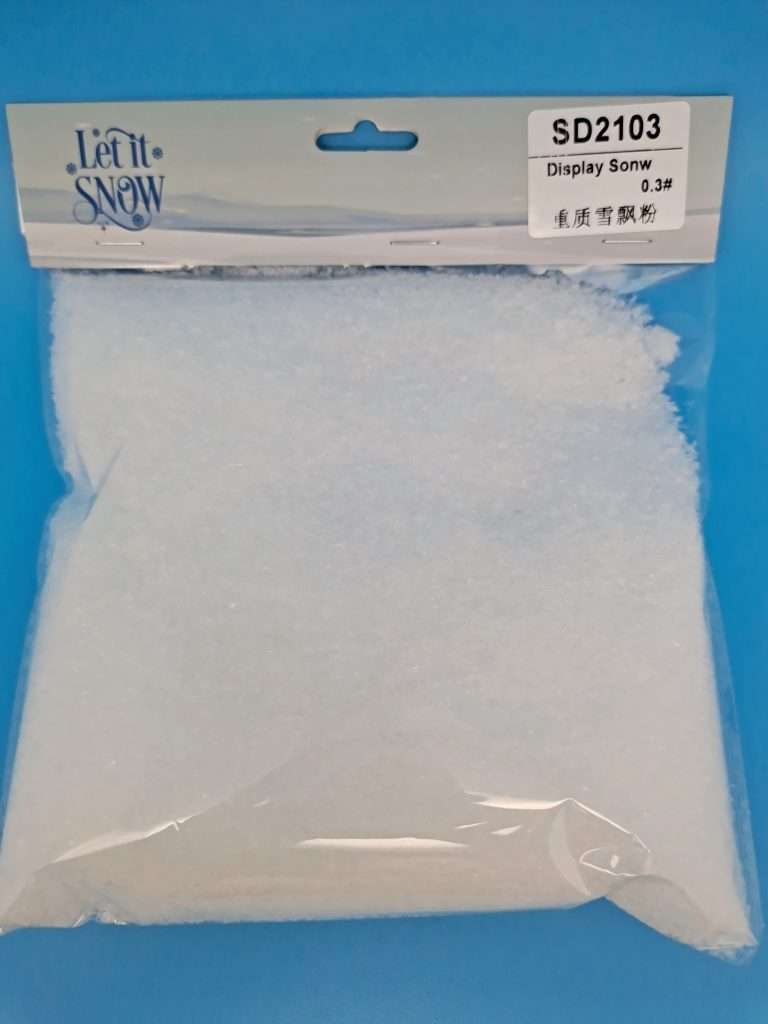
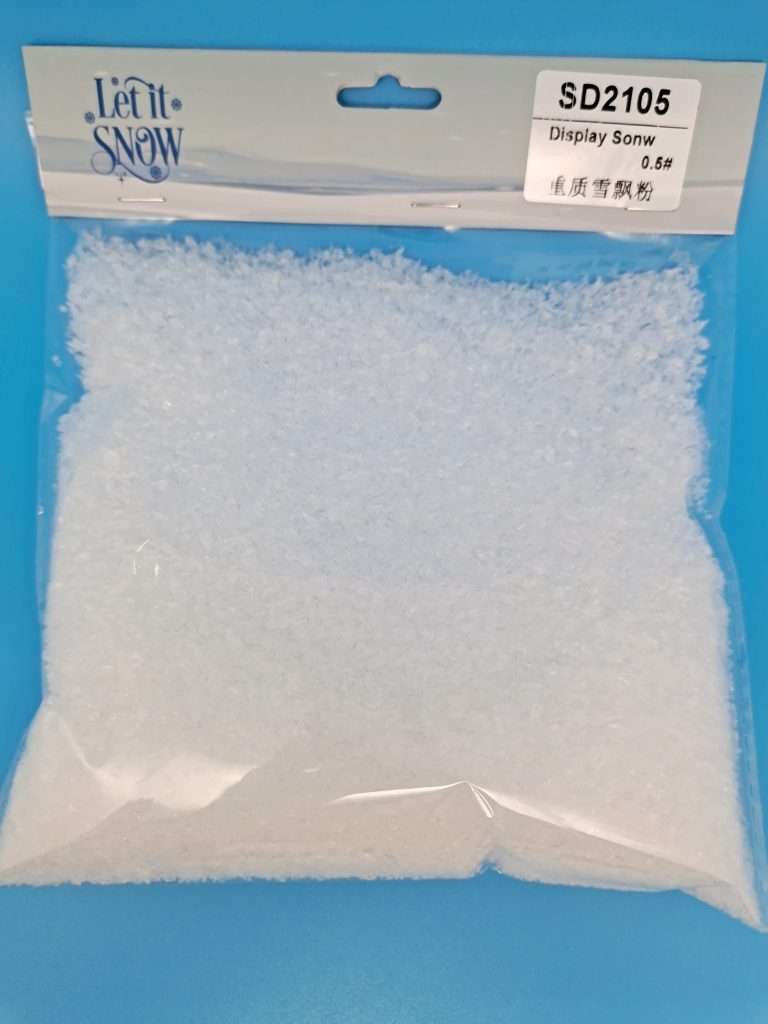
Some projects need more than a light dusting effect. Stage scenes, commercial set builds, and busy decorated environments often benefit from heavier particles that sit more firmly on the surface and are less likely to shift or float away. That is where heavy dry snow powder becomes more useful, offering larger and denser particles, stronger adhesion, and more realistic coverage than lighter alternatives.
In December 2025, Omar, an event production buyer in Dubai, was sourcing snow material for a winter-themed brand activation in a mall. The display team first considered a lighter decorative powder because it was cheaper per bag. During testing, however, the lighter material moved too easily as cleaners and visitors passed by. A heavier option solved the problem because the scene needed visual stability more than it needed the lowest unit cost.
That kind of decision is typical. If the display gets foot traffic, air movement, or repeated handling, heavy dry snow powder is usually the better comparison before finalizing the order.
3. Eco-Focused Campaigns and Sustainability Messaging
Not every buyer is under pressure to tell a sustainability story, but some are. Seasonal campaigns for premium retailers, brand events, or export programs may need an eco-friendlier product story than standard decorative snow materials can offer. RUNYI’s degradable dry snow powder is presented as a plant-based option using PLA, and gives buyers another route when the brief includes sustainability language.
If the buying brief includes the word “degradable,” do not wait until final approval to raise the topic. Bring it into the conversation from the start, because sustainability claims often affect packaging, documentation, and customer expectations.

Dry Snow Powder vs Snow Flock: Know the Difference
One of the most common mistakes buyers make is confusing dry snow powder with flocking powder. Both create snow-like visual effects, but they are not the same product and they are not used the same way.
Dry Snow Powder Is for Decorative Snow Effects
Dry snow powder is usually chosen for direct decorative application. It can be sprinkled by hand and can also be used with glue or spray when stronger adhesion is needed. In most buyer conversations, dry snow powder belongs to the world of display decoration, temporary snow scenes, window styling, stage props, and hand-applied snow effects.
Snow Flock Is for Different Snow-Look Workflows
Flocking powder for machine use is a different material category entirely. It is used with snow flocking machines and glue or water to create fast, large-scale snow spraying effects on artificial Christmas trees, wreaths, and related products. Dry snow powder is a decoration product. Snow flock is more often part of a production or semi-production process. If a factory is producing flocked trees or wreaths at scale, it should not treat dry snow powder as a substitute.
A Quick Comparison for Buyers
| Use Case | Better Choice |
|---|---|
| Window display snow effect | Dry snow powder |
| DIY holiday decoration | Dry snow powder |
| Stage set snow effect | Dry snow powder or heavy dry snow powder |
| Artificial tree flocking by machine | Flocking powder for machine use |
| Scenic prop snow surface with stronger texture | Flocking powder for snow scenes or heavy dry snow powder, depending on process |
In November 2025, a wholesaler named Sofia was preparing a mixed order for decorative snow products and flocked Christmas accessories. Her team initially put dry snow powder and machine-use flocking powder into the same inquiry because both looked like “snow materials.” That created unnecessary back-and-forth. Once the intended workflow was clarified, the order split into two clear parts: decorative snow powder for hand-applied scenes, and flocking powder for machine-based production. The order moved faster because the material roles were no longer mixed up.
If you are sourcing snow materials for more than one product line, RUNYI’s artificial Christmas tree production materials page is a helpful overview when you need to compare dry snow powder, flocking powder, glue, and related inputs together.
What to Check Before You Order Dry Snow Powder
Many dry snow powder orders go wrong for ordinary reasons, not dramatic ones. The buyer chooses the right visual effect but forgets to confirm pack format, coverage expectations, or how the material will actually be used on site.
1. Packaging Format
Will the material be used by store staff, workshop teams, event decorators, or factory operators? Small packs are easier to distribute. Larger bags are more efficient for bulk projects. If the order may be repacked or resold, packaging matters even more.
2. Application Method
Will the snow be sprinkled directly, applied with glue, or used as part of a more technical scenic workflow? This determines whether standard dry snow powder is enough or whether heavier or flock-style options should be considered.
3. Scene Conditions
Indoor tabletop decoration is one thing. Busy event entrances and active commercial sets are another. Heavy dry snow powder is often the better comparison when the scene must hold up under airflow or movement.
4. Sustainability Expectations
If the end customer, retailer, or campaign brief asks for a greener option, bring that up early. A degradable product choice can affect both the material story and how the order is presented.
5. Sample and Lead Time
RUNYI’s snow powder pages note that samples are available and that proofing can be arranged quickly. That is important, because texture and visual effect are better judged in hand than in a photo. If the order is seasonal, sample approval timing matters almost as much as the product itself.
How RUNYI Supports Dry Snow Powder Buyers
RUNYI is not only selling one decoration item. The site is structured around a broader holiday production and decoration supply system, and that helps when buyers need to compare more than one snow-related material at the same time.
That kind of comparison is useful because buyers are rarely solving only one question. They are usually trying to answer several at once: which material creates the right snow look, which pack format fits the project, which option handles movement or traffic better, which choice fits the customer story, and whether the supplier can support repeat supply.
Why Supplier Context Matters
A buyer who only wants a one-off bag of decorative snow may not care much about supplier depth. But importers, wholesalers, and seasonal decoration programs usually do. They want a partner that can support samples, packaging discussion, bulk orders, repeat seasonal supply, and related Christmas decoration materials. Snow powder is part of a larger holiday materials system, not an isolated novelty product.
Final Thoughts
Dry snow powder looks like a simple product until a buyer has to choose the right version for the right scene. Then the details start to matter. Small-pack dry snow powder works well for window displays, crafts, and distributed decoration. Heavy dry snow powder makes more sense when the scene needs stronger coverage and better staying power. Degradable dry snow powder helps when sustainability messaging is part of the brief. And if the real need is machine-based snow spraying, then flocking powder is usually the more appropriate route.
That is the practical way to approach dry snow powder purchasing: start with the end use, compare the material role carefully, and do not confuse decorative snow products with flocking materials meant for production workflows.
If you are sourcing snow-effect materials for Christmas displays, props, wreaths, or retail decoration, start by comparing RUNYI’s 30g small package dry snow powder, heavy dry snow powder, and degradable dry snow powder. If your project is more production-oriented, add flocking powder for machine use to the comparison before placing the order.
Key Takeaways
Dry snow powder is best understood as a decorative snow-effect material, not a one-size-fits-all snow product. Buyers should choose between standard, heavy, and degradable dry snow powder based on scene type, movement, and sustainability expectations. Heavy dry snow powder is often the better option for larger scenic decoration or higher-traffic environments. Degradable dry snow powder gives buyers a greener product story when sustainability matters. Snow flock and machine-use flocking powder are related but different products, and they should not be confused with hand-applied dry snow powder.
Have Questions?Contact Our Experts to Get Your Questions Answered
If you have any other questions, please do not hesitate to contact us. Our professional team will be happy to answer your questions.