
Understanding PVC vs. PE Christmas Trees:From Production Costs to Global Market Trends
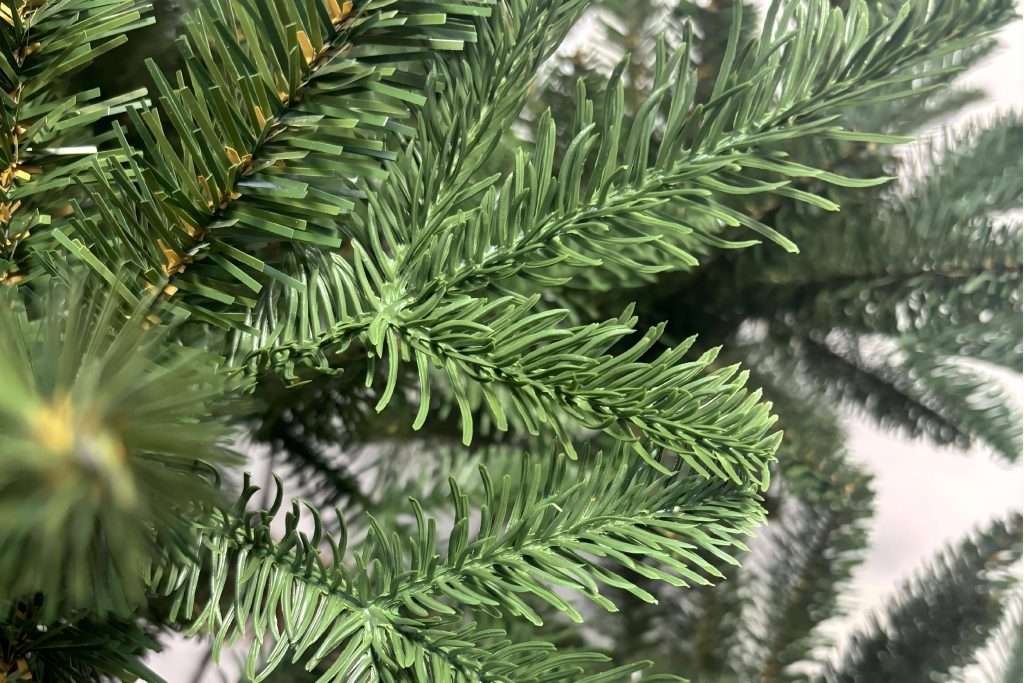
In the artificial Christmas tree industry, PVC (Polyvinyl Chloride) and PE (Polyethylene) are the two dominant materials used for manufacturing tree tips. For professional buyers and sourcing agents, understanding the fundamental differences between them—in terms of appearance, texture, production process, cost, and safety—is the key to making the right product selection.
Appearance & Feel: Flat vs. 3D

This is the most direct and obvious difference between the two materials.
- PVC Tips: The needles are flat. If you look closely, you will see that the foliage consists of flat strips formed by physical cutting.
- PE Tips: These look significantly more realistic. Because they are injection-molded using molds replicated from real tree branches, the appearance is 3D and can almost pass for the real thing.
Production Process & Workflow

The production logic behind these two materials is completely different
The PVC Process:
The raw material consists of rolls of PVC Christmas Film.
- Preparation: Layers of PVC film (often in different shades of green) are stacked together.Two iron wires are sandwiched in the middle.
- The Machine: An Automatic Branching Machine (often called a “leaf drawing machine“) pulls this assembly through the production line.
- Slitting: A circular knife cuts the edges of the film into a “sawtooth shape.”
- Twisting: The machine spins at high speed, twisting the film tightly between the iron wires.
- Shaping: Under immense physical tension, the flat film is compressed and forced into acylindrical “bullet shape,” creating the final bristled branch.
The PE Process:
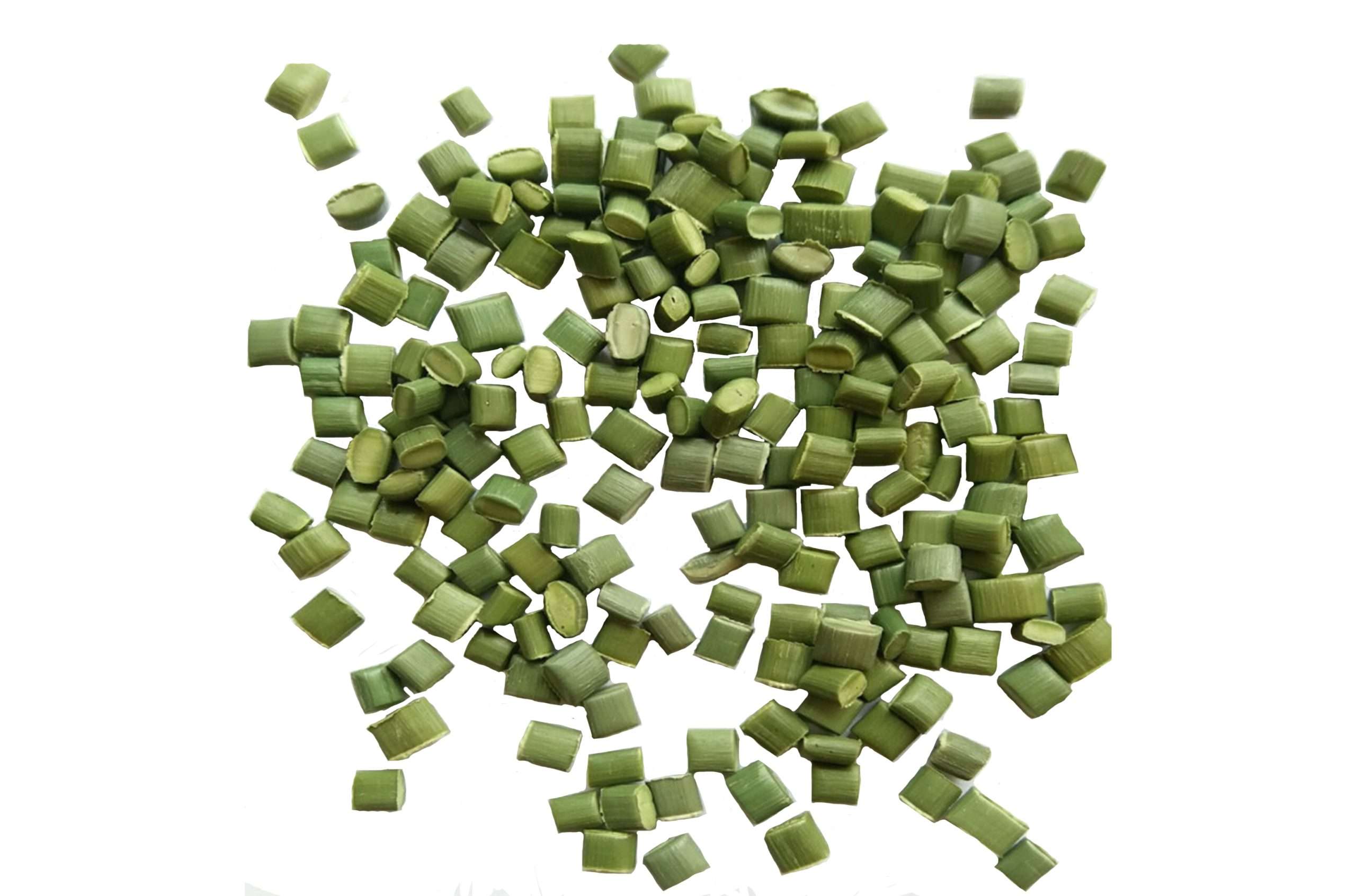
The raw material consists of PE plastic granules.
- Melting: The granules are melted at high temperatures.
- Injection: The molten plastic is injected at high pressure into precision steel PE injection molding molds.
- Cooling & Demolding: The plastic must cool down to set. Once cooled, the mold opens,releasing a single, solid, 3D-formed branch.
Capacity & Production Cost
This is the core reason for the massive price difference between the two
- PVC is the “King of Speed”: PVC production is a continuous physical action. It is incredibly fast. A standard 4-line PVC leaf drawing Machine can produce up to 200,000 tips per 24 hours. This ultra-high output drastically lowers the labor and equipment amortization cost per single tip.
- PE is Limited by Physics: PE injection molding machine is restricted by the “Inject-Hold-Cool” cycle. Even with the most advanced equipment, the daily capacity per machine caps at around 15,000 tips. This is less than 1/10th of the output of a PVC machine.
Raw Material Cost
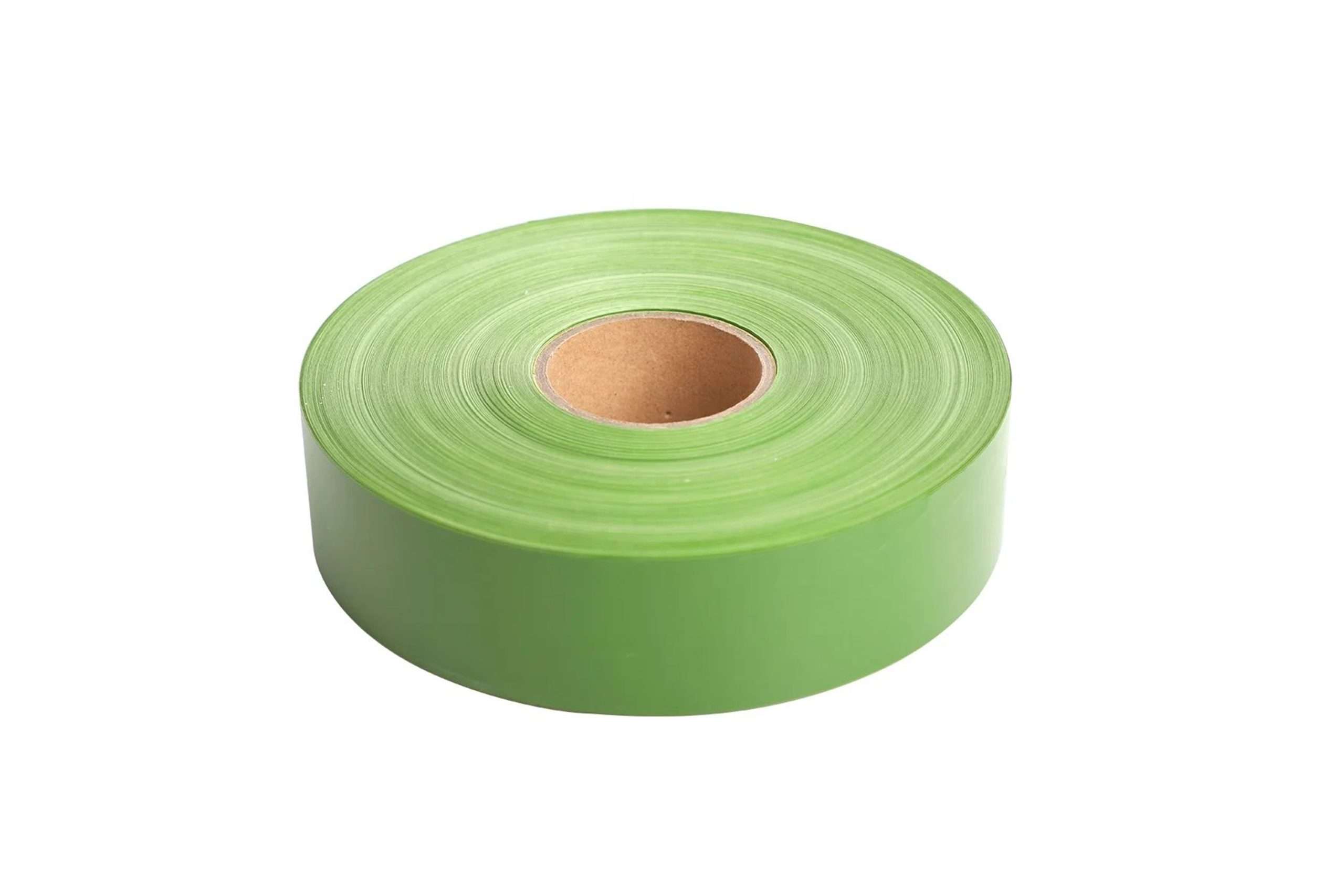
- PVC: Uses PVC Christmas Film. The supply chain is extremely mature, making the price relatively low and stable.
- PE: Virgin PE granules are inherently more expensive than PVC film. Furthermore, PE production requires a significant upfront investment in Mold Development Costs (high-precision molds for realistic branches are expensive to manufacture).
Safety: Flame Retardancy
- PVC: This material naturally contains Chlorine in its chemical structure, giving it a self-extinguishing property. In terms of fire safety, PVC raw material has a natural advantage.
- PE: Polyethylene is essentially flammable (similar in composition to candle wax). To pass fire safety tests, flame retardants must be added to the PE raw material during the mixing stage. If a manufacturer skips this step to save money, it creates a significant safety hazard.
Global Market Preferences
Acceptance of these materials varies significantly by region:
- Russia & Surrounding Markets: Customers here prioritize realism above all else. Full PE Trees are the mainstream choice, and buyers are willing to pay a premium for high simulation.
- Europe & USA Markets: These markets focus on balancing aesthetics with cost-effectiveness. The mainstream product is the “Hybrid Tree”—using cheaper PVC tips to fill the interior density, and realistic PE tips on the outer ends for the look.
- Developing / Budget Markets: Due to price sensitivity, traditional Full PVC Trees still dominate the market share.