Christmas Tree Factory Automation Guide: How to Reduce Labor Cost and Improve Output
If labor cost is rising faster than your output, your Christmas tree factory does not just have a staffing problem. It has a process-design problem.
For many manufacturers, the real issue is not whether automation sounds attractive. It is where automation should start, which manual steps are actually worth replacing, and how to invest without creating the wrong machine mix. A factory can buy automation equipment and still lose margin if the line is unbalanced, if the wrong bottleneck is automated first, or if the machine does not match the product structure.
This guide explains how Christmas tree factory automation really works in practice. We will look at where labor cost is usually highest, which processes are most suitable for automation, how PVC and PE tree production differ, and how to phase automation in a way that improves output without creating unnecessary capital pressure.
Quick Answer: When Christmas Tree Factory Automation Makes Sense
For most manufacturers, automation makes sense when one or more of these are already true:
- labor cost is rising faster than sales price
- seasonal hiring is getting harder
- quality varies too much between shifts or operators
- output growth is limited by manual branch handling or binding
- management wants more predictable lead times
In practical terms, the first automation target is usually not every process at once. It is the manual step that most often slows the line, creates rework, or forces you to add labor just to maintain the same output.
For many Christmas tree factories, that first target is branch binding, branch handling, or upstream cutting and forming support rather than full factory automation all at once.
What Automation Means in a Christmas Tree Factory
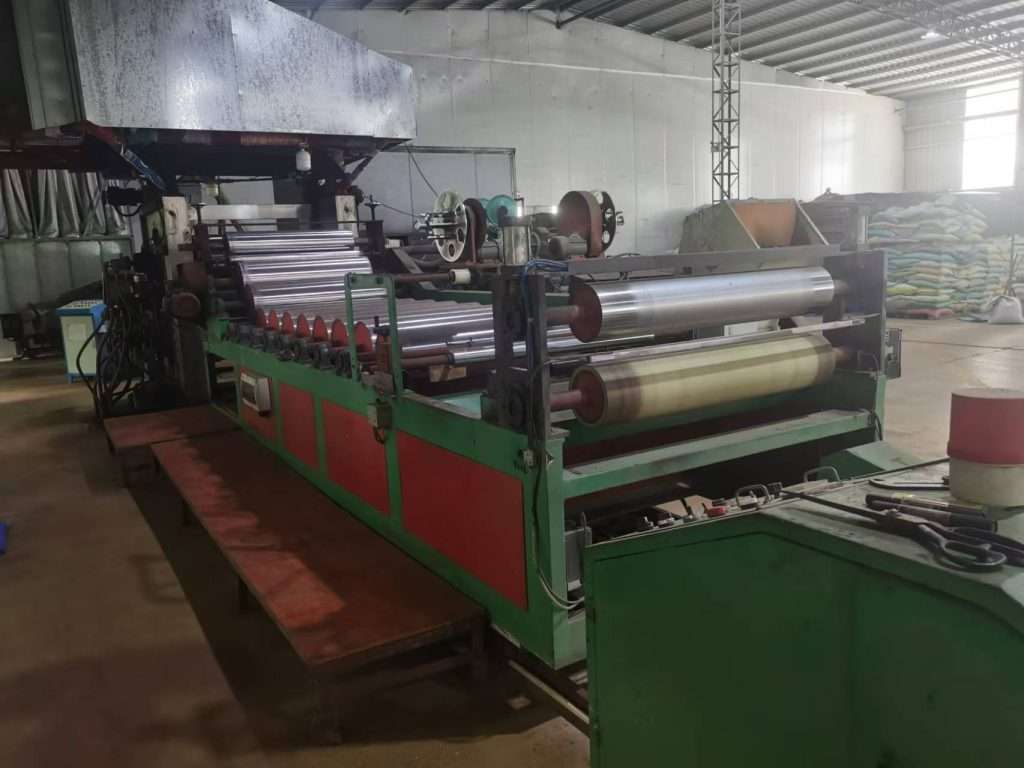
Christmas tree factory automation is not one machine. It is the gradual replacement of unstable, labor-heavy steps with more repeatable, machine-supported workflows.
That can include:
- automatic leaf cutting
- automatic branch binding
- branch handling support
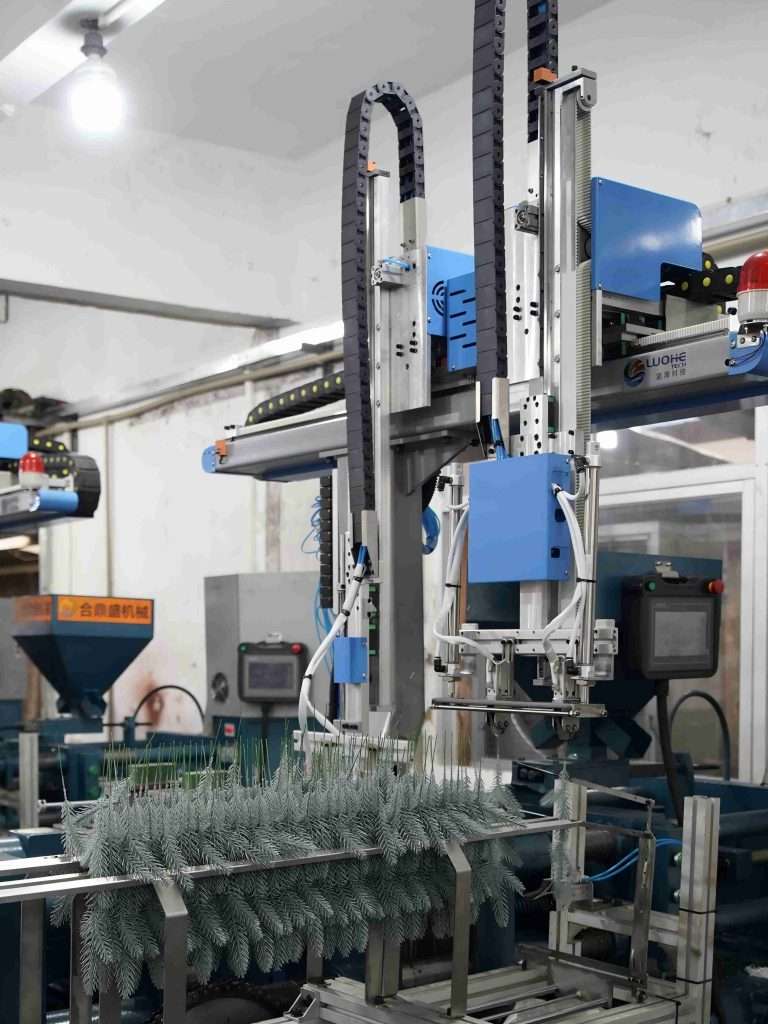
- robot-assisted pick-and-place in PE production
- conveyor integration
- line balancing between upstream and downstream machines
In other words, automation should be understood as a production-system upgrade, not a single purchase.
That is why some factories improve margins with just one or two well-chosen machines, while others spend much more and still struggle. The difference is not whether they automated. The difference is whether they automated the right process in the right order.
If you need a broader line-planning perspective, this article on how to build an efficient artificial Christmas tree production line from scratch is the best companion read.
Where Labor Cost Usually Hurts the Most
Most factories do not need deep software analysis to find the first automation opportunity. The labor-heavy zones are usually visible on the floor.
1. Branch Binding
Branch binding is one of the most common labor bottlenecks in Christmas tree production. It is repetitive, operator-sensitive, and difficult to scale with stable quality when labor availability is weak.
This is why branch binding often becomes the first comparison point between manual and automatic production. If you want a narrower analysis of that exact choice, review manual vs. automatic branch binding.
2. PVC Leaf Cutting and Handling
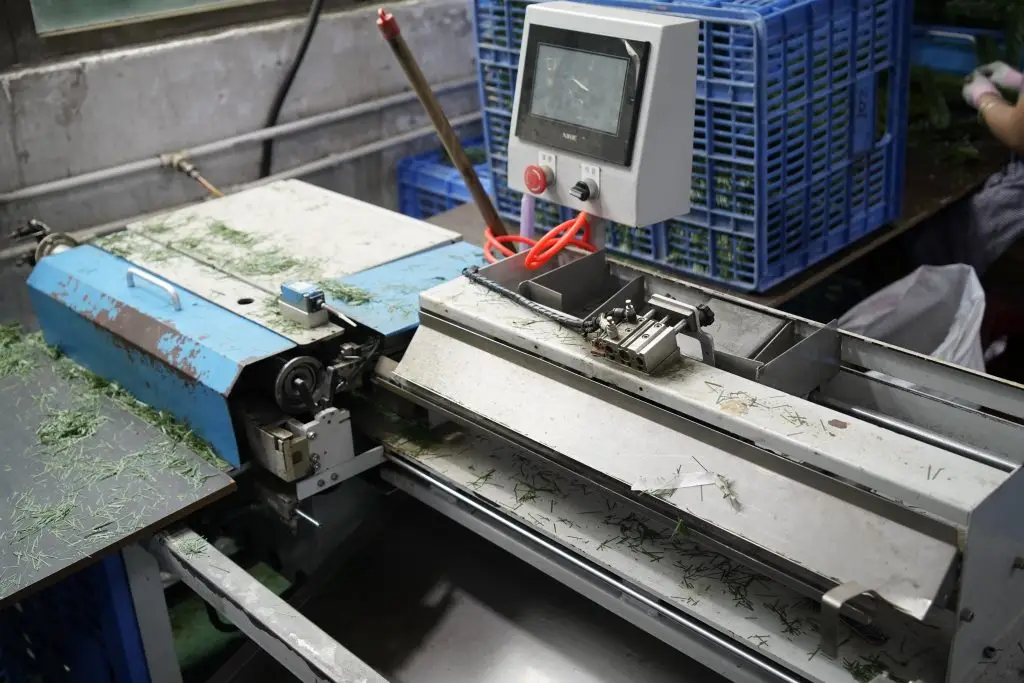
In PVC tree production, output can be limited not just by the main forming machine, but by upstream leaf cutting consistency and downstream handling. When these steps are manual-heavy, quality and speed often fluctuate together.
3. PE Molded Branch Handling
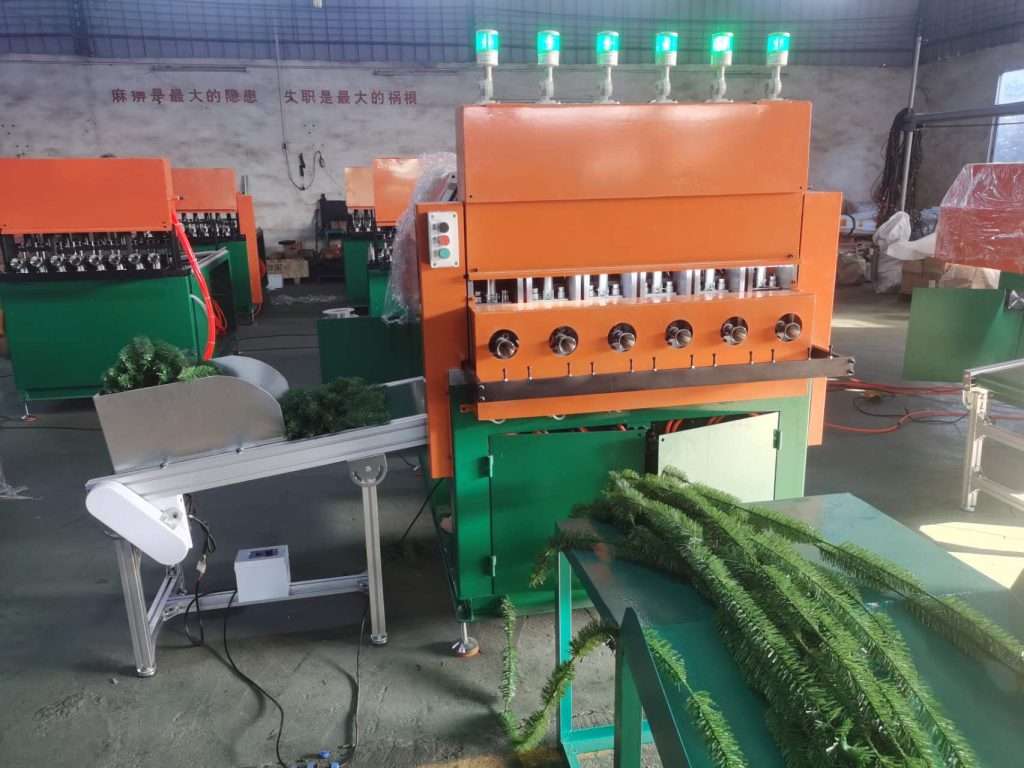
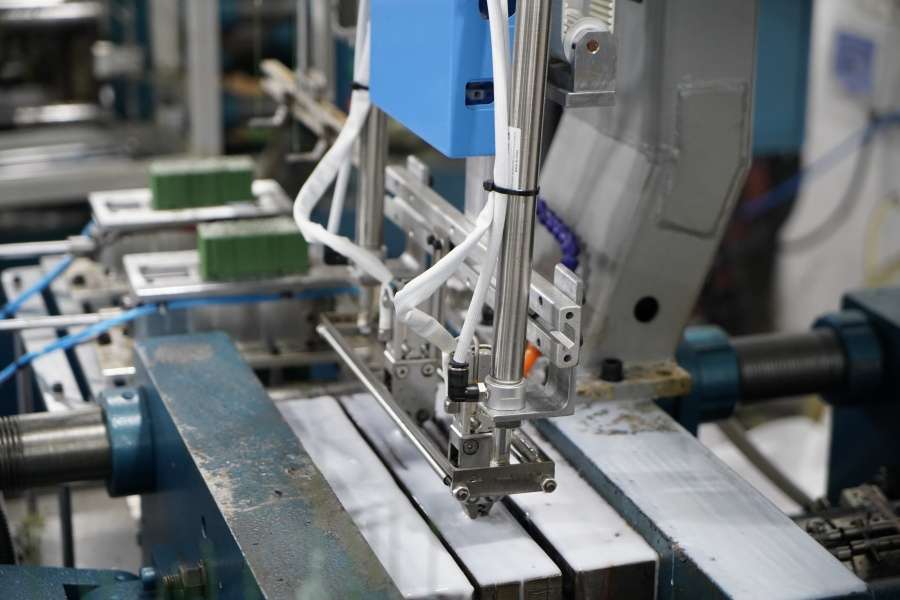
PE production often uses fewer visible manual finishing steps at the needle-formation stage, but it creates other labor pressure in molded part handling, pick-and-place movement, and branch-core integration.
4. Repetitive Assembly Transfer
Any point where operators spend a large share of time just moving parts, aligning branches, or feeding semi-finished components is a likely automation candidate.
That is the practical rule:
- automate the step that consumes labor without adding much decision value
- do not automate the step that still requires product-change flexibility unless the ROI is clear
Which Processes Should Be Automated First
Factories usually get the best result when they automate in stages.
First Priority: Stable, Repetitive, Easy-to-Measure Tasks
The best first automation targets usually have three characteristics:
- they happen all day
- they are easy to measure in output terms
- operator differences create visible efficiency gaps
That is why branch binding, cutting, and branch transfer are often better first targets than more complex custom tasks.
Second Priority: Steps That Create Line Imbalance
A process does not need to be the most expensive to deserve automation. Sometimes the most important target is simply the step that makes the rest of the line wait.
If one manual operation keeps forcing upstream inventory buildup or downstream idle time, that step may deserve automation before higher-profile equipment.
Third Priority: Processes That Affect Consistency
Where labor variation causes shape inconsistency, loose binding, or unstable pace, automation can protect both cost and quality. In seasonal manufacturing, consistency often matters just as much as raw speed.
PVC vs PE: Automation Looks Different on Each Line
Factories comparing Christmas tree factory automation often make the mistake of assuming the same automation roadmap applies to both PVC and PE lines. It does not.
PVC Tree Production Automation
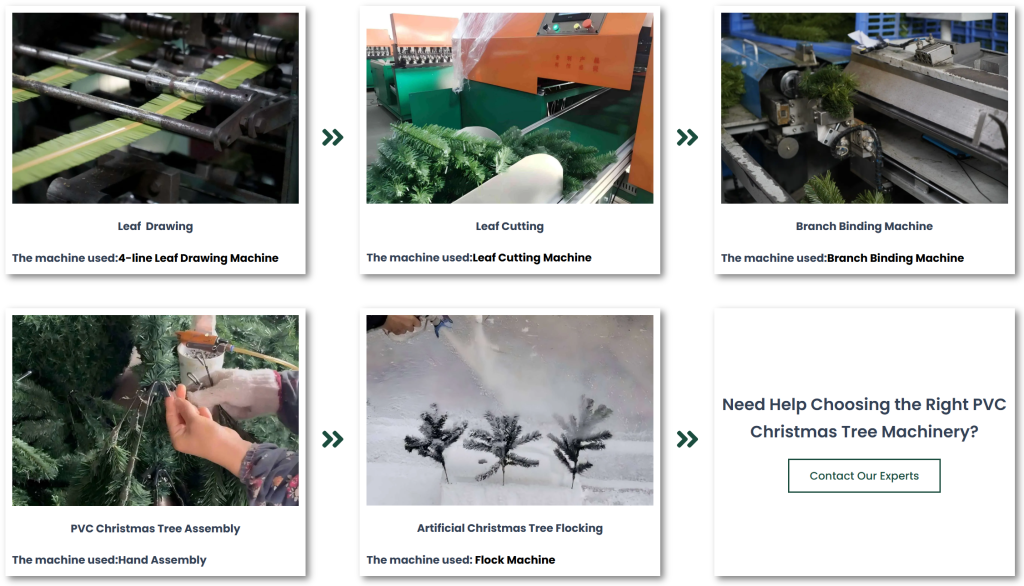
PVC automation usually focuses on:
- film feeding and handling
- leaf cutting
- branch binding
- branch forming and assembly support
This route is often easier to automate in phases because the production model is built around conversion and assembly. You can improve one major bottleneck without rebuilding the whole factory structure.
If your line is mainly PVC-based, this article on how to build a PVC Christmas tree production line is especially relevant.
PVC automation decisions also depend on material stability. If the film specification is inconsistent, the machine alone will not solve the problem. That is why the PVC Christmas tree film buyer’s guide still matters even in an automation discussion.
PE Tree Production Automation
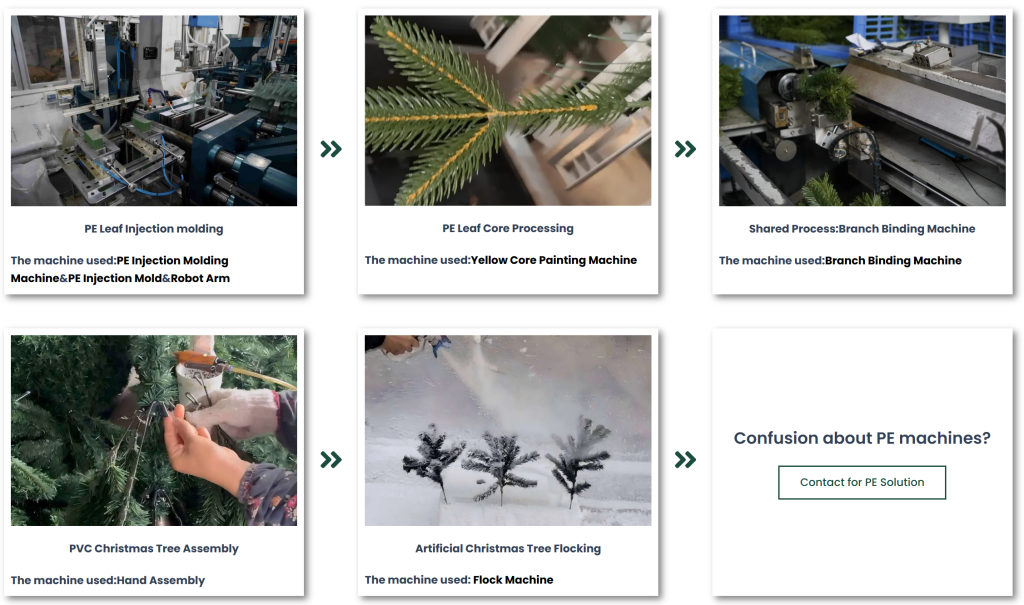
PE automation often focuses more on:
- injection-cell rhythm
- robot-assisted handling
- molded part transfer
- branch-core integration
- downstream assembly support
Compared with PVC, PE automation is often more tightly connected to mold and machine-cell design. That makes planning more technical and less forgiving.
If your factory is still deciding which production model it will expand, the PE vs PVC Christmas trees manufacturing guide is worth reviewing before you lock in an automation budget.
How to Know if Automation Will Really Save Money
Many factories ask the wrong first question:
How much does the machine cost?
The better question is:
How much labor cost, rework, delay, and missed output does this machine remove?
Automation usually makes sense when it improves one or more of these:
- output per shift
- operator-to-machine ratio
- defect or rework rate
- training dependency
- lead-time stability
A machine does not need to eliminate labor to justify itself. It only needs to create a more efficient cost structure than the manual alternative.
Example Thinking Framework
Before buying, ask:
- How many operators are currently tied to this process?
- How often does this process become the bottleneck?
- How much output is lost because pace or quality varies by operator?
- Can the machine support our actual product structure and target output?
- Will this investment still make sense if order mix changes?
Factories that answer these questions clearly usually make better automation decisions than factories that buy based only on demonstration speed.
Why Branch Binding Is Often the First Big Automation Win
Branch binding sits at the center of many labor-cost conversations for one reason: it is repetitive, necessary, and expensive to scale manually.
A manual branch binding line may still work for smaller programs or early-stage factories. But once order volume rises, the labor model becomes harder to control. Training, fatigue, pace variation, and turnover can all start to pull margins down.
That is why branch binding is so often the first major automation upgrade. It directly affects:
- labor headcount
- output consistency
- cycle stability
- scale potential
For the narrower comparison, keep this supporting page in your cluster: manual vs. automatic branch binding.

A Practical Phased Automation Plan
Most factories do not need to automate everything at once. In fact, trying to do that usually creates more risk.
Phase 1: Fix the Worst Bottleneck
Choose the one manual process that most clearly limits output or forces excess labor. This is often branch binding, cutting, or transfer handling.
Phase 2: Balance the Adjacent Steps
Once the main bottleneck is improved, look at the steps directly before and after it. The goal is not just to speed up one machine. The goal is to stop the line from shifting the bottleneck elsewhere.
Phase 3: Standardize Output and Operator Load
After the line becomes more stable, look for tasks where automation can reduce training dependence and improve scheduling predictability.
Phase 4: Integrate the Line More Intelligently
The long-term goal is not simply “more machines.” It is better line coordination, fewer labor spikes, cleaner handoffs, and more reliable planning.
This phased approach is usually safer than over-investing early in equipment your team is not yet ready to absorb.
Common Automation Mistakes
Factories usually run into one of these problems:
Mistake 1: Buying for headline speed instead of real bottlenecks
A machine may look fast in a demo and still fail to solve the actual constraint in your factory.
Mistake 2: Ignoring upstream and downstream matching
If one process is automated but the neighboring steps remain unstable, the factory simply moves the bottleneck.
Mistake 3: Treating automation like a labor-elimination project
Good automation reduces wasteful labor pressure. It does not always eliminate headcount completely. Often it allows the same team to run more stable output.
Mistake 4: Forgetting the product model
A factory making mostly PVC trees may need a very different automation roadmap from one focused on PE molded branches.
Mistake 5: Underestimating training and integration
Even the right machine still needs a stable process around it. Operators, maintenance routines, and material consistency still matter.
What Buyers Should Ask Before Ordering Christmas Tree Automation Equipment
Before committing to a machine or line upgrade, confirm these points:
- Which process is the real bottleneck today?
- Is the target process stable enough to automate effectively?
- Does this machine fit our tree type: PVC, PE, or hybrid?
- What upstream material or process conditions are required?
- How many operators does this change realistically affect?
- What line changes are needed before installation?
- How quickly can the machine be integrated into daily production?
These questions help separate useful automation from expensive misalignment.
Final Thoughts
Christmas tree factory automation should not be treated as a trend purchase. It should be treated as a margin-protection decision.
The right automation path depends on where your labor pressure really comes from, whether your line is PVC-based or PE-based, and which repetitive processes are limiting output today. For many factories, the best first step is not a full smart factory plan. It is one carefully chosen upgrade that improves branch handling, branch binding, or line balance.
If you start with the real bottleneck, match the equipment to the production model, and phase the investment carefully, automation can improve output, reduce labor pressure, and create a more stable factory operation for the next production season.
If you want help evaluating which part of your Christmas tree line should be automated first, contact RUNYI CRAFTS for equipment planning support, process guidance, and machine-matching recommendations.
Have Questions?Contact Our Experts to Get Your Questions Answered
If you have any other questions, please do not hesitate to contact us. Our professional team will be happy to answer your questions.